Weather Maseru: Climate, Forecasts and What to Expect
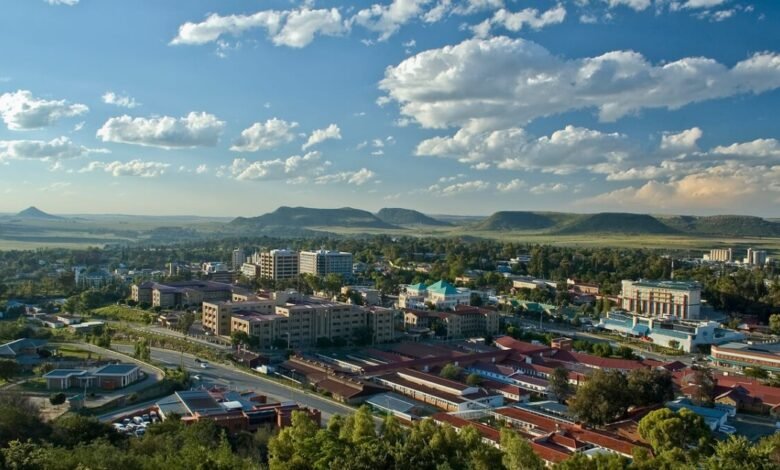
Planning a day in Maseru can be tricky if you only look at the temperature. The capital of Lesotho sits at a relatively high elevation, and that altitude makes its weather feel different from what many visitors expect from a southern African city. A sunny afternoon can feel pleasant, while mornings and evenings may be surprisingly cold, particularly during winter.
Understanding the weather Maseru experiences throughout the year can help with much more than deciding what jacket to wear. It can affect road travel, outdoor activities, farming, sightseeing, and even how comfortable you feel when temperatures change quickly during the day.
Maseru has a generally dry winter and a wetter summer, with much of its annual rainfall occurring during the warmer months. Temperatures can also vary significantly between daytime and nighttime. This means checking only the afternoon forecast may give you an incomplete picture.
Whether you are visiting Maseru, planning an outdoor activity, or simply trying to understand its seasonal climate, this guide explains what conditions are typically like, how they change throughout the year, and how to prepare for them.
What Is the Weather Like in Maseru?
Maseru has a temperate highland climate influenced strongly by its elevation.
The city experiences four recognizable seasons, although the transition between them can sometimes be gradual.
In broad terms:
- Summer: Warm, wetter and often stormy
- Autumn: Gradually cooler with decreasing rainfall
- Winter: Dry, sunny days with cold nights
- Spring: Increasing temperatures and a return of rainfall
One of the most important things to understand is that Maseru’s weather is not simply about average temperatures. The difference between daytime and nighttime conditions can be substantial.
A traveler arriving during a sunny winter afternoon may initially think the weather is mild, only to discover that temperatures fall sharply after sunset.
Maseru Weather by Season
Summer Weather in Maseru
Summer generally brings the warmest conditions and most of the city’s rainfall.
December, January and February are among the key summer months. Afternoon temperatures can become quite warm, while thunderstorms are common during the wetter period.
Summer rain does not necessarily mean that the entire day will be wet. A typical pattern can involve:
- A warm and relatively calm morning
- Increasing clouds during the afternoon
- A short but heavy thunderstorm
- Clearer conditions later
This is important when planning sightseeing or outdoor activities.
A forecast showing thunderstorms does not automatically mean you should cancel an entire day. Timing matters.
Autumn Weather
March and April usually bring a gradual reduction in rainfall and a noticeable change in temperatures.
The air can feel more comfortable for walking and sightseeing, especially compared with the hottest summer afternoons.
By late autumn, mornings and evenings become increasingly cool.
This can be an excellent period for visitors who prefer moderate temperatures rather than summer heat or winter cold.
Winter Weather in Maseru
Winter is one of the most distinctive parts of Maseru’s climate.
June, July and August are generally dry, and skies can often be clear. However, clear skies do not mean warm conditions throughout the day.
Winter mornings can be cold, particularly before sunrise.
Once the sun rises, temperatures can improve considerably, creating a large contrast between early morning and afternoon.
Frost can occur during colder periods, particularly overnight and in exposed areas.
A practical winter clothing strategy is therefore layers rather than one extremely heavy item.
For example:
- Light base layer
- Sweater or fleece
- Warm jacket
- Comfortable trousers
- Closed shoes
- Extra layer for early mornings
This allows you to adjust as the temperature changes.
Spring Weather
September and October bring a gradual return of warmer conditions.
By spring, temperatures generally begin rising and rainfall becomes more frequent as the summer pattern develops.
Spring weather can be changeable. A cool morning may turn into a warm afternoon, while thunderstorms can become increasingly relevant later in the season.
If you are visiting during this period, carrying a light jacket and being prepared for changing conditions is sensible.
Why Maseru Can Feel Colder Than Expected
Altitude is one of the biggest reasons Maseru’s weather can surprise visitors.
Maseru sits at roughly 1,500 metres above sea level. Higher elevation generally contributes to cooler conditions compared with locations at lower elevations at similar latitudes.
This becomes particularly noticeable at night.
There is also another factor that travelers sometimes overlook: sunlight can feel strong even when the air itself is cold.
You might sit outside in winter sunshine and feel warm on your face while the surrounding air remains cool.
This creates a common mistake—dressing according to how strong the sun feels rather than the actual temperature.
The result can be uncomfortable once you move into shade or the sun begins to set.
Daytime vs Nighttime Weather in Maseru
Maseru’s daily temperature range can be important when planning your schedule.
Imagine you are visiting during winter.
You might leave your accommodation early in the morning wearing a heavy jacket. By midday, you may want to remove that layer. In the evening, however, the jacket becomes useful again.
This means travelers should avoid packing based only on the expected afternoon high.
A better approach is to consider:
- Morning temperature
- Afternoon high
- Evening temperature
- Wind
- Cloud cover
- Rain or thunderstorm probability
A unique practical insight: if you are driving outside Maseru early in the morning, do not assume that a comfortable afternoon forecast means road conditions will be equally comfortable at sunrise. Cold overnight temperatures can create very different conditions from those experienced later in the day.
Rainfall and Thunderstorms
Maseru receives much of its rainfall during the warmer months.
Summer thunderstorms can sometimes be intense even when the morning starts bright and dry.
Thunderstorms may bring:
- Heavy rain
- Lightning
- Strong wind
- Temporary reductions in visibility
- Water accumulation on roads
For visitors, the key lesson is to watch the forecast throughout the day rather than relying on a morning glance.
If you have an outdoor plan, try to keep some flexibility during the afternoon in the wetter season.
For drivers, heavy rain deserves additional caution because visibility can change quickly.
Is Maseru Usually Sunny?
Maseru often experiences plenty of sunshine, particularly during its dry winter.
This is one reason the city’s winter weather can feel deceptively pleasant during the day.
However, sunshine does not eliminate cold temperatures.
A clear winter night can become especially cold because there is little cloud cover to moderate overnight heat loss.
This produces an interesting contrast:
Bright and comfortable afternoon → rapidly cooling evening → cold overnight conditions.
That pattern is worth remembering when planning outdoor dinners, early-morning trips, or overnight stays.
Best Time to Visit Maseru
There is no single best month for everyone.
The ideal period depends on what you want to do.
For Comfortable Sightseeing
Autumn and spring can offer a useful balance between temperatures and rainfall.
These periods can be attractive if you want to spend substantial time walking around the city without dealing with the coldest winter mornings or the more frequent summer storms.
For Clear, Dry Conditions
Winter can be appealing if dry weather is your priority.
The trade-off is colder mornings and nights.
Visitors who dislike cold weather should take this seriously, especially if their itinerary includes early starts.
For Warmer Weather
Summer is the obvious choice if you prefer warmer temperatures.
However, you also need to accept greater rainfall and the possibility of thunderstorms.
What to Wear in Maseru
Your clothing should reflect both the season and the time of day.
Summer
Consider:
- Lightweight shirts
- Breathable trousers or shorts
- Comfortable walking shoes
- A light rain layer
- Sun protection
Winter
Consider:
- Warm layers
- Sweaters or fleece
- A proper jacket
- Long trousers
- Warm socks
- Closed footwear
Spring and Autumn
These seasons are ideal for flexible clothing.
Layering works particularly well because conditions can change significantly between morning and afternoon.
Weather and Outdoor Activities
Weather conditions can influence how enjoyable outdoor activities are.
If you are sightseeing, walking, hiking or exploring nearby areas, consider scheduling demanding activities earlier when conditions are comfortable—but not necessarily before sunrise during the coldest part of winter.
During summer, early morning can be particularly useful because afternoon thunderstorms may become more likely.
A simple strategy is:
Winter: avoid unnecessarily early starts if temperatures are very low.
Summer: consider earlier outdoor activities before afternoon storms develop.
This small adjustment can make a surprisingly large difference.
Weather Maseru for Travelers: Common Mistakes
Checking Only the Temperature
Temperature is important, but it is not the whole story.
Wind, rain, cloud cover, humidity and time of day all influence how conditions feel.
Packing Only for the Afternoon
This is particularly problematic in winter.
A warm afternoon does not mean a warm evening.
Underestimating Sun Exposure
Cool air can make people forget that sunlight can still be intense.
Spending several hours outdoors without appropriate sun protection can be uncomfortable even when temperatures do not feel extreme.
Ignoring Thunderstorm Timing
A summer forecast that includes storms deserves attention.
Instead of asking only, “Will it rain?”, ask, “When is the rain most likely?”
That is often more useful for planning.
A Practical Daily Weather Strategy
If you are staying in Maseru, checking the forecast once in the morning is useful, but checking it again before a major outdoor activity is even better.
Use this simple routine:
- Check the morning temperature.
- Check the afternoon high.
- Look at rain probability.
- Check for thunderstorms.
- Consider wind conditions.
- Look at the evening temperature.
- Dress in layers if temperatures vary significantly.
This takes less than a minute but can prevent many avoidable problems.
A Less Obvious Factor: Wind and Exposed Areas
Temperature readings are normally taken in standardized conditions, but the temperature you experience can feel different in exposed locations.
Wind can make a cool morning feel significantly colder.
This matters if you are:
- Walking in open areas
- Waiting outdoors
- Traveling through elevated terrain
- Spending time outside after sunset
A calm 10°C morning and a windy 10°C morning can feel very different.
For that reason, wind deserves attention when choosing clothing, especially during winter.
Another Useful Insight: Plan Around the Temperature Curve
Many travelers plan their day around a single temperature number.
A better approach is to think about the temperature curve.
Instead of asking, “What will the weather be today?” consider:
How will the temperature change from sunrise to sunset?
This is particularly useful in Maseru because a day can begin cold, become pleasantly warm, and then become cold again surprisingly quickly.
Planning around this curve helps you choose better departure times and clothing.
Weather Maseru and Local Travel
Weather can also affect travel beyond the city.
If you are planning to travel from Maseru into higher or more mountainous areas of Lesotho, conditions may differ from those in the capital.
Higher elevations can be colder, and weather can change more quickly.
Do not assume that a comfortable Maseru forecast automatically describes conditions everywhere else on your route.
If your journey involves mountain roads or rural areas, check conditions for the destination itself.
Frequently Asked Questions
What is the weather like in Maseru throughout the year?
Maseru generally has warm, wetter summers and dry, cooler winters. Spring and autumn provide transitional conditions between these two main patterns. Temperatures can change substantially between daytime and nighttime because of the city’s elevation.
Does Maseru get very cold in winter?
Yes, winter mornings and nights can be quite cold. Frost is possible during colder periods, while sunny afternoons can feel considerably more comfortable. Visitors should prepare for both sides of the daily temperature range.
When does it rain most in Maseru?
Most rainfall occurs during the warmer months, particularly through the summer season. Rain often arrives with thunderstorms rather than as continuous rain throughout the entire day. Checking the timing of storms can therefore be more useful than simply checking the daily rain probability.
Is Maseru hot in summer?
Summer can be warm, although conditions vary throughout the day. Afternoon thunderstorms are also an important part of the seasonal weather pattern. Lightweight clothing and a plan for sudden rain are useful during this period.
What should I wear in Maseru during winter?
Layering is usually the most practical approach. A warm outer layer is useful for mornings and evenings, while lighter clothing underneath allows you to adjust during sunny afternoons. Warm socks and closed shoes are also helpful when temperatures drop.
Is Maseru’s weather suitable for outdoor activities?
Yes, but timing matters. Dry winter days can be excellent for outdoor activities, although mornings and evenings may be cold. During summer, planning activities earlier in the day can help you avoid some afternoon thunderstorms.
Conclusion
The weather in Maseru is shaped by elevation, season, rainfall patterns and substantial day-to-night temperature changes. Summers tend to be warmer and wetter, while winters are generally dry, sunny and much colder after sunset.
For visitors, the biggest lesson is simple: do not plan around the daily high temperature alone. Look at the entire day’s forecast, including morning conditions, wind, rainfall, thunderstorms and evening temperatures.
Layering is one of the most useful strategies, particularly during the cooler seasons. During summer, flexibility is equally valuable because a bright morning can give way to an afternoon thunderstorm.
Once you understand Maseru’s daily weather rhythm, preparing for the city becomes much easier—and you can spend less time reacting to the weather and more time enjoying your plans.